Why Choose the Rongai Route?
The Rongai Route is the only trail approaching Mount Kilimanjaro from the north, near the Kenyan border. Known for its quiet, remote paths and drier conditions, it’s perfect for trekkers seeking solitude and a steady ascent. The route offers scenic forests, open moorlands, and excellent acclimatization, culminating at Uhuru Peak. It also provides opportunities to spot wildlife such as colobus monkeys and antelope.Route Highlights
- Gentle, gradual ascent suitable for steady acclimatization
- 7-day itinerary recommended for higher summit success
- Quiet northern approach, less crowded than southern routes
- Scenic journey through rainforest, moorland, alpine desert, and glaciers
- Dry route, ideal during the rainy season
Why Trekkers Love It
The Rongai Route combines tranquility, reliable weather, and gradual elevation gain, giving climbers time to adjust and enjoy the scenery. Its remote northern slopes make for a peaceful, immersive experience, while the route still offers the thrill of reaching Uhuru Peak. Perfect for trekkers who want a less crowded, scenic, and high-success climb on Africa’s highest mountain.7-Day Rongai Route Itinerary
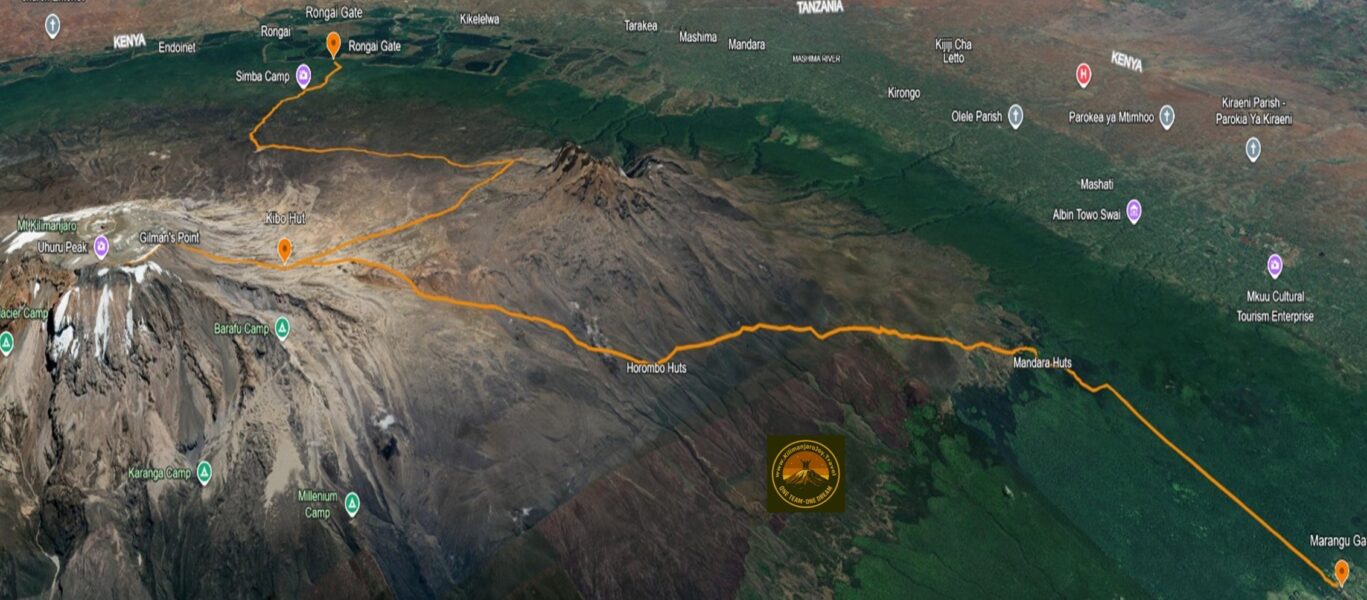
All Kilimanjaro itineraries are fully customizable.
Daily schedules can be adjusted based on your group’s acclimatisation, physical condition, oxygen levels, and pace.
Your safety and comfort are our top priority, and our experienced guides may modify the route at any time to ensure a responsible and successful summit.
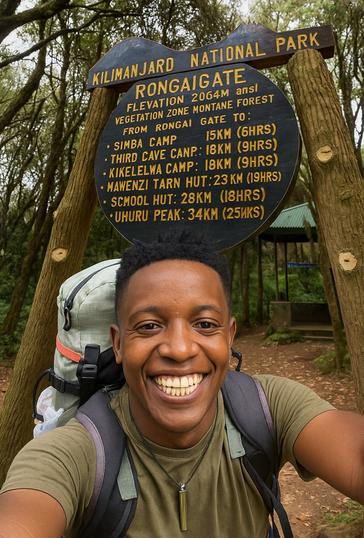
📍 Moshi → Rongai Gate → Simba Camp
🏔️ Elevation: 2,000m → 2,625m
🚶 Distance: ~8 km
⏱️ Time: 3–4 hours
🌿 Highlight: Rainforest & wildlife
After breakfast in Moshi, you’ll drive to Rongai Gate near the Kenyan border. The trek begins through farmland and lush rainforest. Keep an eye out for monkeys and colorful birds. Overnight at Simba Camp on the edge of the moorland zone.
🗓️ Day 2
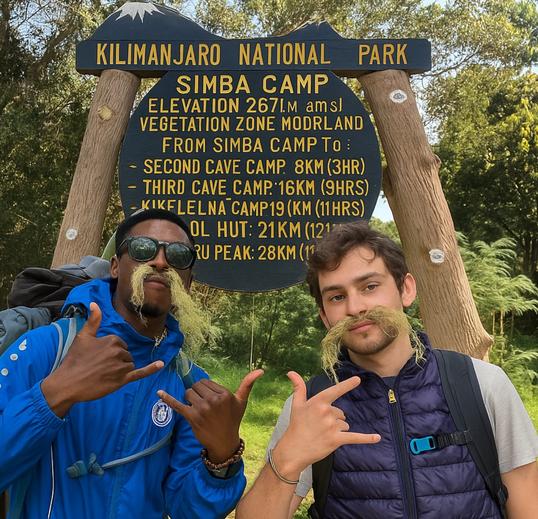
📍 Simba Camp → Second Cave Camp
🏔️ Elevation: 2,625m → 3,450m
🚶 Distance: ~9 km
⏱️ Time: 5–6 hours
🌿 Highlight: Open moorland & Kibo views
Hike through open moorland with panoramic views of Kibo Peak and the Eastern Icefields. The gentle trail supports acclimatization. Overnight at Second Cave Camp under the wide African sky.
🗓️ Day 3
📍 Second Cave Camp → Kikelewa Camp
🏔️ Elevation: 3,450m → 3,600m
🚶 Distance: ~6 km
⏱️ Time: 3–4 hours
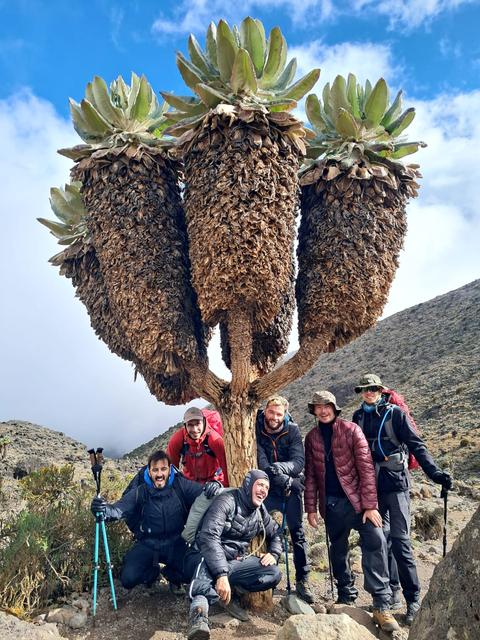
🌿 Highlight: Kikelewa Caves & giant groundsels
A shorter day to aid acclimatization. Pass through sparse vegetation and rocky terrain, arriving at Kikelewa Camp, surrounded by giant groundsels and views of rugged Mawenzi Peak.
📍 Kikelewa Camp → Mawenzi Tarn Camp
🏔️ Elevation: 3,600m → 4,330m
🚶 Distance: ~6 km
⏱️ Time: 4–5 hours
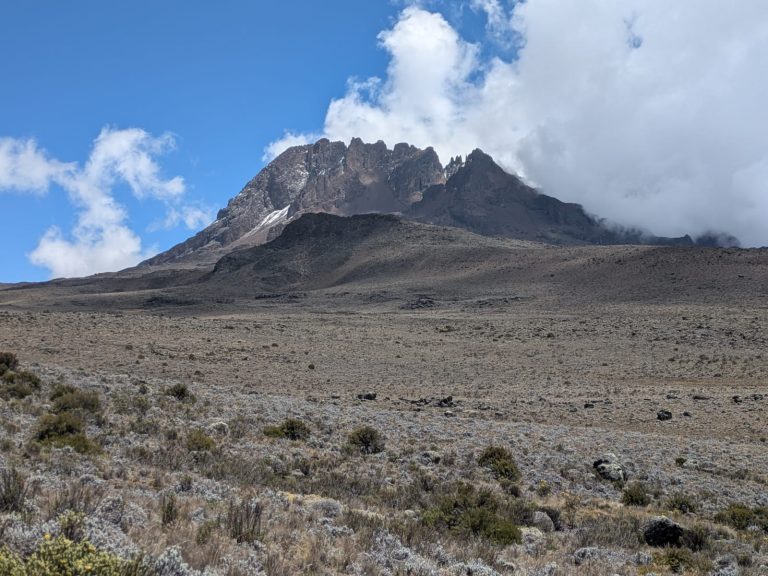
🌿 Highlight: Alpine lake & dramatic scenery
Climb steadily to Mawenzi Tarn, a serene campsite beneath the towering spires of Mawenzi Peak. Enjoy one of the most scenic sections of the route with stunning alpine views.
📍 Mawenzi Tarn Camp → Kibo Hut
🏔️ Elevation: 4,330m → 4,700m
🚶 Distance: ~9 km
⏱️ Time: 5–6 hours
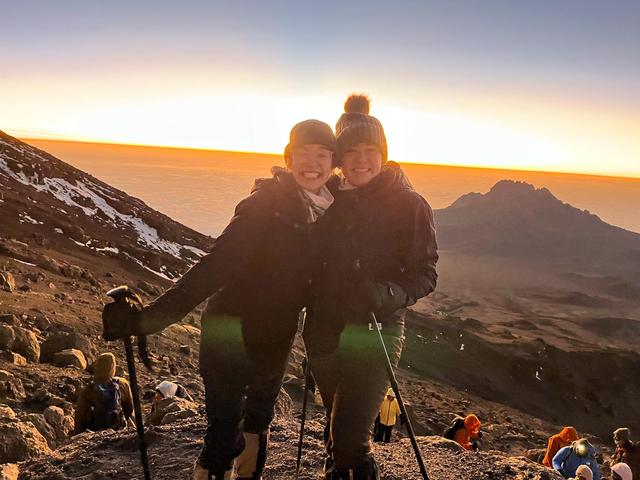
🌿 Highlight: Saddle between Mawenzi & Kibo
Cross the vast, barren saddle connecting Mawenzi and Kibo peaks. The terrain is challenging but steady. Arrive at Kibo Hut for rest and early dinner before summit day.
📍 Kibo Hut → Uhuru Peak → Horombo Hut
🏔️ Elevation: 4,700m → 5,895m (summit) → 3,720m
🚶 Distance: ~21 km
⏱️ Time: 12–14 hours
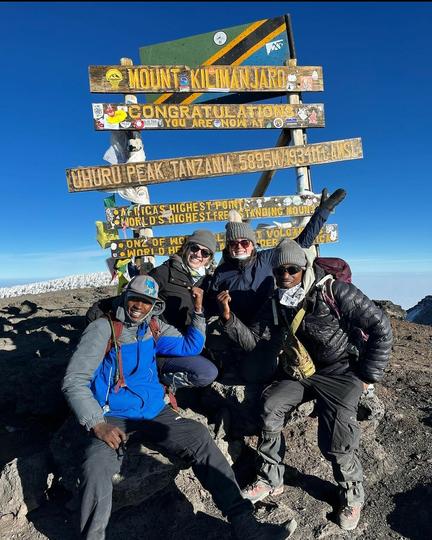
🌿 Highlight: Summit of Africa!
Summit day begins at midnight. Ascend steeply to Gilman’s Point, then continue around the crater rim to Uhuru Peak. Celebrate reaching the roof of Africa, then descend via the Marangu Route to Horombo Hut.
🏔️ Elevation: 3,720m → 1,860m
🚶 Distance: ~18 km
⏱️ Time: 5–6 hours
🌿 Highlight: Rainforest descent & summit celebration
Descend through the rainforest to Marangu Gate. Receive your summit certificate and transfer back to Moshi for a well-earned rest after an unforgettable climb.
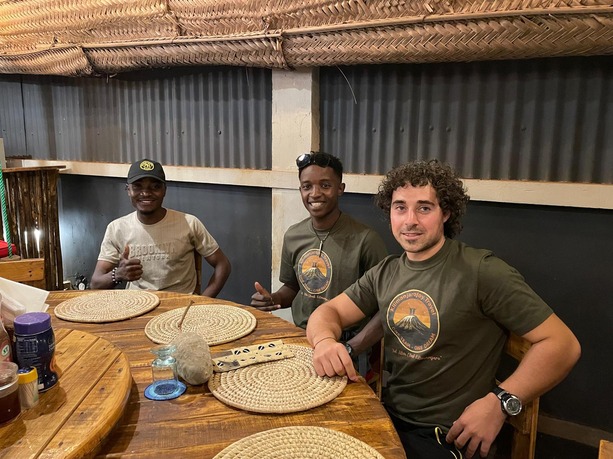
Congratulations on conquering Mount Kilimanjaro!
Rongai Route – Frequently Asked Questions
Why choose the Rongai Route to climb Mount Kilimanjaro?
The Rongai Route is Kilimanjaro’s only northern approach, offering quieter trails, a steady ascent, and drier conditions. It’s ideal for trekkers seeking a less-crowded route with strong summit success rates and excellent acclimatization opportunities.
How difficult is the Rongai Route?
The Rongai Route is moderately difficult. Its gradual elevation gains and well-paced itinerary allow most trekkers with good basic fitness to complete it successfully.
How long does the Rongai Route take?
Most trekkers complete the Rongai Route in 7 days. This longer itinerary improves acclimatization and increases the chance of summit success. A 6-day version exists but is not recommended due to faster altitude gain.
What is the success rate of the Rongai Route?
The 7-day Rongai Route has an average summit success rate of 75–80%. Its gradual ascent and well-structured itinerary make it one of the most successful Kilimanjaro routes.
Is the Rongai Route crowded?
No. Compared to Machame, Marangu, and Lemosho, the Rongai Route is one of Kilimanjaro’s least crowded trails, offering a quiet and remote trekking experience.
When is the best time to climb the Rongai Route?
Rongai is one of Kilimanjaro’s driest routes, making it suitable year-round, even during the rainy seasons (March–May and November). The best months are June–October and December–February.
Will I see wildlife on the Rongai Route?
Yes. Trekkers may encounter colobus monkeys, blue monkeys, antelopes, and various bird species in the lower forested sections. Rongai offers excellent wildlife spotting opportunities.
Is the Rongai Route good for acclimatization?
Yes. Its gradual slopes and steady ascent profile make the Rongai Route ideal for acclimatization, especially on the 7-day itinerary.
How cold does it get on the Rongai Route?
Temperatures vary with altitude. Expect warm conditions at the base, while higher camps can drop below freezing. Summit night temperatures may range from -10°C to -20°C, depending on weather.
What is included in a Kilimanjaro Joy Travel Rongai Route climb?
Typical inclusions are: airport transfers, park fees, professional mountain guides, porters, full board meals, tents, clean drinking water, emergency oxygen, and accommodation before and after the climb, hotel accommodation in Moshi (before and after the trek, included but can be removed if not needed).